


Atherosclerosis What Is Atherosclerosis?

Atherosclerosis is a common condition that develops when a sticky substance called plaque builds up inside your . Disease linked to atherosclerosis is the leading cause of death in the United States.
Atherosclerosis develops slowly as cholesterol, fat, blood cells and other substances in your blood form plaque. When the plaque builds up, it causes your arteries to narrow. This reduces the supply of oxygen-rich blood to tissues of vital organs in the body.
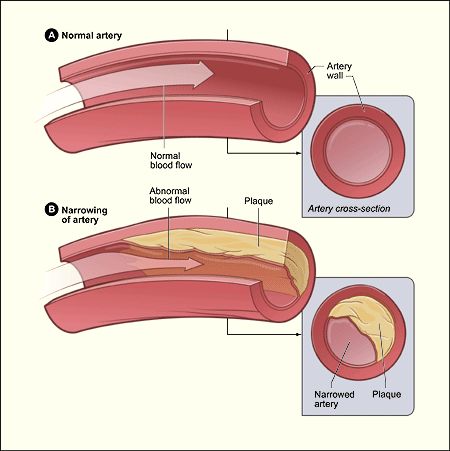
Atherosclerosis can affect most of the arteries in the body, including arteries in the heart, brain, arms, legs, pelvis, and kidneys. It has different names based on which arteries are affected.
- Coronary artery disease (CAD) is plaque buildup in the arteries of your heart.
- Peripheral artery disease (PAD) most often is plaque buildup in the arteries of the legs, but it can also build up in your arms or pelvis.
- Carotid artery disease is plaque buildup in the neck arteries. It reduces blood flow to the brain.
- Renal artery stenosis is plaque buildup in the arteries that supply blood to your kidneys.
- Vertebral artery disease is atherosclerosis in the arteries that supply blood to the back of the brain. This area of the brain controls body functions that are needed to keep you alive. Read more about disorders affecting blood supply to the back of the brain.
- Mesenteric artery is plaque buildup in the arteries that supply the intestines with blood. Learn more about plaque buildup in the mesenteric arteries.
Reduced blood flow can lead to symptoms such as angina. If a plaque bursts, a may form that may block the artery completely or travel to other parts of the body. Blockages, either complete or incomplete, can cause complications, including heart attack, stroke, vascular dementia, erectile dysfunction, or limb loss. Atherosclerosis can cause death and disability.
Plaque often starts to build up during childhood and gets worse with age. Risk factors include unhealthy cholesterol levels, unhealthy lifestyle habits, and your .
The good news is that most people can prevent or delay the initiation and progression of atherosclerosis by following steps for heart-healthy living.