What Is Carotid Ultrasound?
Carotid (ka-ROT-id) ultrasound is a painless and
harmless test that uses high-frequency sound waves to create pictures of the
insides of the two large arteries in your neck.
These arteries, called carotid arteries, supply your
brain with oxygen-rich blood. You have one carotid artery on each side of your
neck.
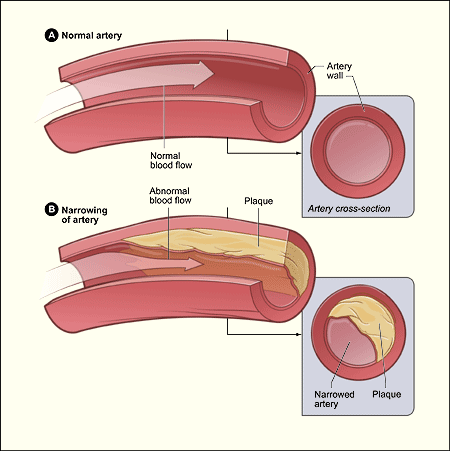
Carotid ultrasound shows whether a substance called
plaque (plak) has narrowed your carotid arteries. Plaque is made up of fat,
cholesterol, calcium, and other substances found in the blood. Plaque builds up
on the insides of your arteries as you age. This condition is called
carotid
artery disease.
Carotid Arteries

You have two common carotid
arteriesone on each side of your neckthat divide into internal and
external carotid arteries. Figure A shows the location of the right carotid
artery in the head and neck. Figure B is a cross-section of a normal carotid
artery that has normal blood flow. Figure C shows a carotid artery that has
plaque buildup and reduced blood flow.
Too much plaque in a carotid artery can cause a
stroke. The plaque can slow down or block the flow of blood
through the artery, allowing a blood clot to form. A piece of the blood clot
can break off and get stuck in the artery, blocking blood flow to the brain.
This is what causes a stroke.
A standard carotid ultrasound shows the structure of
your carotid arteries. Your carotid ultrasound test may include a Doppler
ultrasound. Doppler ultrasound is a special test that shows the movement of
blood through your blood vessels.
Your doctor often will need results from both types
of ultrasound to fully assess whether there's a problem with blood flow through
your carotid arteries.
Other Names for Carotid Ultrasound
- Doppler ultrasound
- Carotid duplex ultrasound
Who Needs Carotid Ultrasound?
Carotid ultrasound checks for plaque buildup in the
carotid arteries. Plaque can narrow or block your carotid arteries, preventing
oxygen-rich blood from reaching your brain.
Your doctor may recommend a carotid ultrasound if
you:
- Had a
stroke or mini-stroke recently. During a mini-stroke, you may
have some or all of the symptoms of a stroke. However, the symptoms usually go
away on their own within 24 hours.
- Have an abnormal sound in your carotid artery
called a carotid bruit (broo-E). Your doctor can hear a carotid bruit with the
help of a stethoscope put on your neck over the carotid artery. A bruit may
suggest a partial blockage in your carotid artery that could lead to a stroke.
Your doctor also may recommend a carotid ultrasound
if he or she suspects you may have:
- Blood clots that can slow blood flow in your
carotid artery
- A split between the layers of your carotid
artery wall that weakens the wall or reduces blood flow to your brain
A carotid ultrasound also may be done to see whether
carotid artery surgery, also called
carotid
endarterectomy (END-ar-ter-EK-to-me), has restored normal blood flow
through your carotid artery.
If you had a procedure called carotid
stenting,
you may have carotid ultrasound afterward to check the position of the stent
put in your carotid artery. (The stent, a small mesh tube, helps prevent the
artery from becoming narrowed or blocked again.)
Sometimes carotid ultrasound is used as a preventive
screening test in people who have medical conditions that increase their risk
of stroke, including
high
blood pressure and diabetes.
People who have these conditions may benefit from
having their carotid arteries checked regularly, even if they show no signs of
plaque buildup.
What To Expect Before Carotid Ultrasound
Carotid ultrasound is a painless test, and typically
there is little to do in advance. Your doctor will tell you how to prepare for
your carotid ultrasound.
What To Expect During Carotid Ultrasound
Carotid ultrasound usually is done in a doctor's
office or hospital. The test is painless and often doesn't take more than 30
minutes.
The ultrasound machine includes a computer, a video
screen, and a transducer. A transducer is a hand-held device that sends and
receives ultrasound waves into and from the body.
You will lie on your back on an exam table for the
test. Your technician or doctor will put a gel on your neck where your carotid
arteries are located. This gel helps the ultrasound waves reach the arteries
better.
Your technician or doctor will put the transducer
against different spots on your neck and move it back and forth. The transducer
gives off ultrasound waves and detects their echoes after they bounce off the
artery walls and blood cells. Ultrasound waves can't be heard by the human
ear.
A computer uses the echoes to create and record
pictures of the insides of the arteries (usually in black and white) and your
blood flowing through them (usually in color; this is the Doppler ultrasound).
A video screen displays these live images for your doctor to review.
Carotid Ultrasound

Figure A shows how the ultrasound
probe (transducer) is placed over the carotid artery. Figure B is a color
ultrasound image showing blood flow (the red color in the image) in the carotid
artery. Figure C is a waveform image showing the sound of flowing blood in the
carotid artery.
What To Expect After Carotid Ultrasound
You usually don't have to take any special steps
after a carotid ultrasound. You should be able to return to normal activities
right away.
Often, your doctor will be able to tell you the
results of the carotid ultrasound when it occurs or soon afterward.
What Does a Carotid Ultrasound Show?
A carotid ultrasound can show whether plaque buildup
has narrowed one or both of your carotid arteries and reduced blood flow to
your brain.
If plaque has narrowed your carotid arteries, you
may be at risk of having a
stroke. That risk depends on how much of your artery is
blocked and how much blood flow is restricted.
To reduce your risk for stroke, your doctor may
recommend medical or surgical treatments to reduce or remove the plaque buildup
in your carotid arteries.
What Are the Risks of Carotid Ultrasound?
There are no risks linked to having a carotid
ultrasound, because the test uses harmless sound waves. These are the same type
of sound waves that doctors use to record pictures of fetuses in pregnant
women.
Key Points
- Carotid ultrasound is a test that uses
high-frequency sound waves to create pictures of the insides of the two large
arteries in your neck. These arteries, called carotid arteries, supply your
brain with oxygen-rich blood.
- A carotid ultrasound can show whether a fatty
substance called plaque has narrowed one or both of your carotid arteries and
reduced blood flow to your brain.
- If plaque is narrowing your carotid arteries,
you may be at risk for having a
stroke, depending on how much of your artery is blocked and
how much blood flow is restricted.
- A standard carotid ultrasound shows the
structure of your carotid arteries. A Doppler ultrasound is a special test that
shows the movement of blood through your blood vessels.
- Your doctor often will need the results from
both types of ultrasound to fully assess whether there's a problem with blood
flow through your carotid arteries.
- Your doctor may recommend a carotid ultrasound
if you had a stroke or mini-stroke recently or are at high risk of having a
stroke. During a mini-stroke, you may have some or all of the symptoms of
stroke. However, the symptoms usually go away on their own within 24
hours.
- A carotid ultrasound also may be used to see
whether carotid artery surgery (also called
carotid
endarterecomy) has been successful, whether a
stent
has been placed correctly, or as a preventive screening test.
- Carotid ultrasound is a painless test done in a
doctor's office or hospital. It often doesn't take more than 30 minutes and
usually requires no preparation or followup.
- Often, your doctor will be able to tell you the
results of the carotid ultrasound when it occurs or soon after.
- There are no risks linked to having a carotid
ultrasound because the test uses harmless sound waves.
Links to Other Information About Carotid
Ultrasound
NHLBI Resources
Non-NHLBI Resources
Clinical Trials
|